What Are Advanced Driver Assistance Systems (ADAS)?
What Is ADAS & How Does It Work?
Advanced Driver Assistance Systems use cameras, radar, sensors, and vehicle software to help you recognize hazards and respond more safely. ADAS does not replace an attentive person behind the wheel. It provides another layer of awareness by warning you about certain dangers or, in some situations, helping the vehicle take corrective action.
Each feature gathers information about the road, nearby traffic, lane markings, pedestrians, and other objects. The vehicle's software interprets that information and determines whether to alert you or activate an available response. Depending on the system, that response might include a visual warning, an audible alert, steering assistance, or automatic braking.
This technology matters because a hazard can develop in the brief moment when you check a mirror, look toward an intersection, or fail to notice traffic slowing ahead. A correctly operating ADAS feature may help draw your attention back to the danger sooner. It cannot prevent every collision, but accurate information and timely assistance can give you a better opportunity to react.
Which ADAS Features Depend on Windshield Cameras?
Many ADAS features use a forward-facing camera mounted near the top of the windshield. That camera watches the area ahead of your vehicle and may read lane markings, vehicles, pedestrians, road signs, or changes in traffic. Other systems use radar, ultrasonic sensors, or a combination of technologies located elsewhere on the vehicle.
Windshield-camera information may support features such as:
- Lane departure warning
- Lane-keeping assistance
- Forward collision warning
- Automatic emergency braking
- Traffic-sign recognition
- Adaptive cruise control
- Pedestrian detection
- Automatic high-beam control
The exact equipment and feature names vary by make, model, trim, and model year. Two vehicles that look nearly identical may use different windshields, camera brackets, or calibration procedures. That is one reason windshield work involving ADAS cannot be treated as a simple matter of installing a pane that appears to fit.
These features are important because they depend on knowing where your vehicle is positioned in relation to the road and surrounding hazards. If a camera misreads the edge of a lane or the location of traffic ahead, an alert may arrive late, activate unnecessarily, or fail to provide the assistance you expect. Proper camera alignment supports the system's ability to interpret its view accurately.
Why Windshield Replacement Can Affect ADAS
Windshield replacement can affect ADAS because removing the glass may disturb a mounted camera or change its viewing position. The new windshield must fit correctly, and the camera must have the manufacturer-specified relationship to the road. A difference that is difficult to see from the driver's seat may still change what the system sees.
Think of the camera as having a carefully aimed field of view. If that aim moves slightly, the software may interpret lane markings, following distance, or an approaching object differently. The vehicle may still start normally, and the windshield may look perfect, but appearance alone cannot confirm that the ADAS camera is correctly aligned.
This is a safety issue because you rely on ADAS during situations that may leave very little time to respond. Forward collision warning and automatic emergency braking are designed to help when traffic stops suddenly. Lane-support features are intended to recognize your position on the road. Calibration helps ensure that the camera supplying information to those features is aimed according to the vehicle manufacturer's requirements after the windshield work is complete.
What ADAS Windshield Calibration Does
ADAS windshield calibration restores the aiming and alignment of the applicable camera or sensor after it has been disturbed. The procedure allows the vehicle to relearn the correct reference points it uses to interpret the road. The required steps depend on the vehicle and the equipment installed in it.
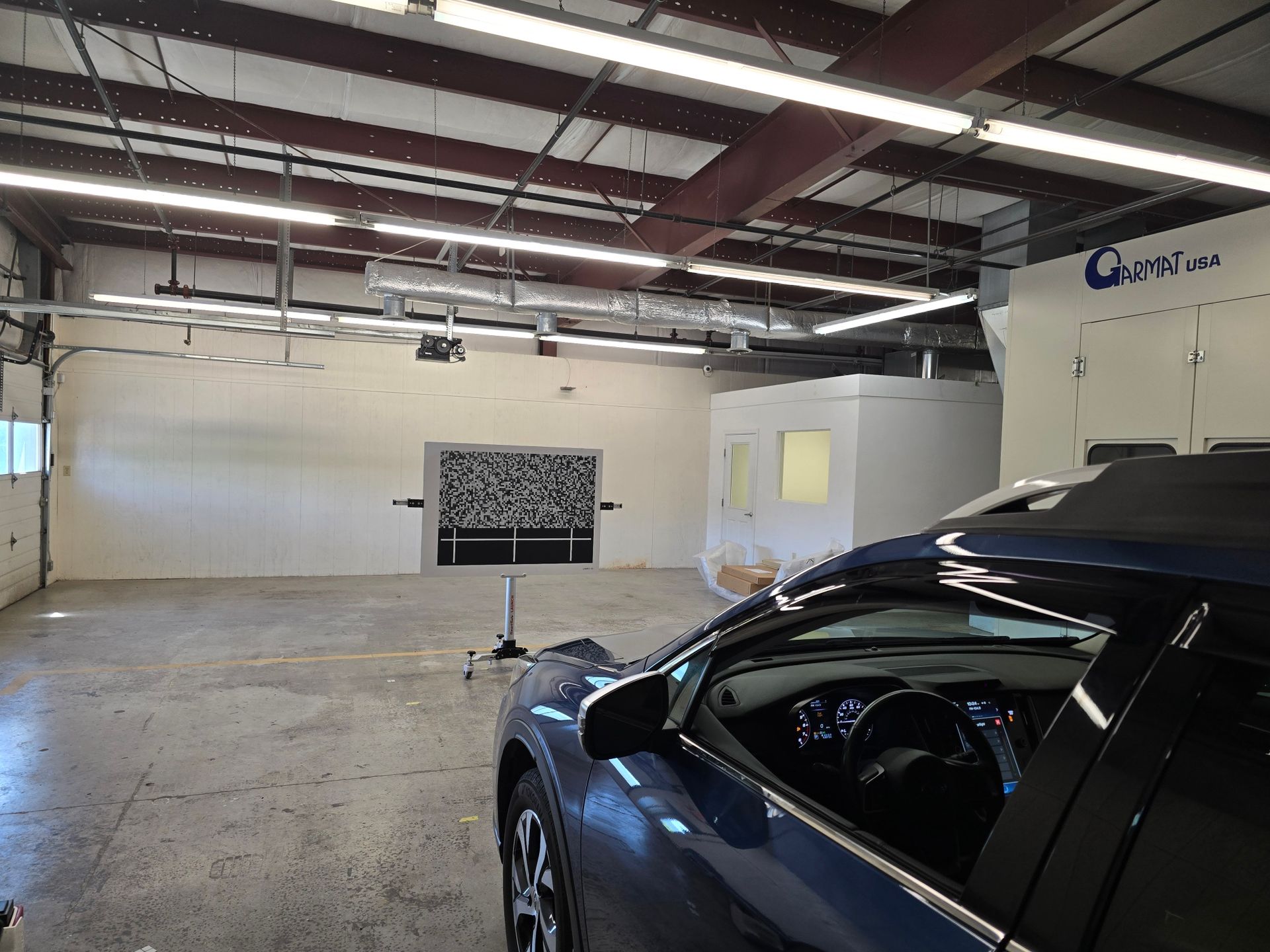
Some vehicles use static calibration, which typically involves precisely positioned targets while the vehicle remains stationary. Others use dynamic calibration, which may require driving the vehicle under specified road, speed, and weather conditions. Certain vehicles require both procedures. Following the correct process matters because calibration is vehicle-specific, not a universal adjustment that can be performed the same way every time.
Calibration does not add a new safety feature or increase the system beyond its original design. Its purpose is to help the existing technology operate as the manufacturer intended. That distinction is important: ADAS is still assistance, and you remain responsible for controlling the vehicle. Proper calibration helps make that assistance dependable when you need an alert or intervention during a potential hazard.
When Windshield Calibration Is Required
Calibration is commonly required after replacing a windshield that supports a forward-facing camera. The camera may be removed, disconnected, repositioned, or mounted to the new glass during the replacement. The appropriate procedure should follow the requirements for your specific vehicle rather than a rule based only on the presence of a camera.
You may also notice warning lights, unavailable-feature messages, unusual lane alerts, or safety features responding differently after glass work or a collision. Those signs deserve prompt attention. However, the absence of a dashboard warning does not prove that the camera is aimed correctly. A system may be active while its view is still outside the specified alignment.
Do not wait for an emergency-braking event or lane warning to test whether the system works. The safer approach is to identify the vehicle's ADAS equipment before windshield replacement and complete any required calibration as part of the service. This protects the accuracy of technology designed to help you recognize and respond to hazards.
Get Certified ADAS Calibration in Roanoke, VA
Accurate ADAS calibration helps protect the safety functions connected to your windshield after replacement. Innovation Auto Glass brings more than 10 years of auto glass experience, OE dealer-quality calibration technology, and a lifetime warranty on auto glass replacements. Our team can identify the windshield and calibration needs for your specific vehicle before completing the work.
If you need windshield replacement or ADAS calibration in Roanoke, Salem, Blacksburg, or Lexington, contact Innovation Auto Glass for a free quote. You can also ask about scheduling service at the Roanoke shop and what to expect from the calibration procedure required for your vehicle.